
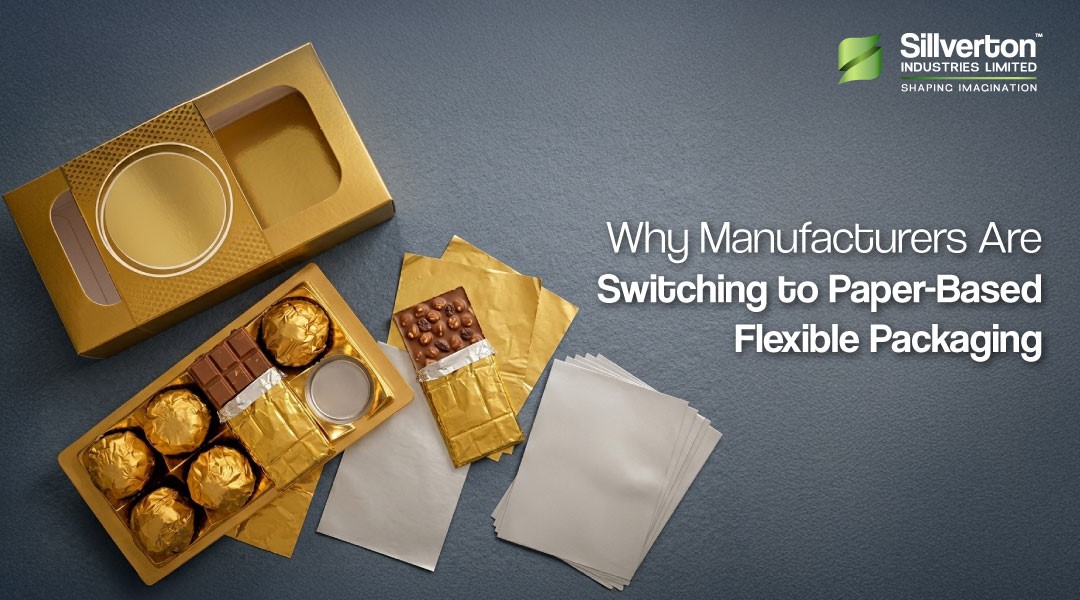
Manufacturers across FMCG, food processing, pharma, and retail are re-evaluating packaging formats as supply chains become more complex and sustainability expectations increase. Traditional rigid packaging often adds weight, storage inefficiencies, and higher logistics costs.
This shift has accelerated interest in flexible packaging solutions, particularly those based on paper. The move is not just material substitution. It reflects a broader strategy to improve operational efficiency, compliance readiness, and packaging performance.
The Operational Challenge with Conventional Packaging
Manufacturers today are managing:
- High transportation and fuel costs
- Increasing SKU diversity requiring adaptable packaging
- Pressure to reduce material usage without compromising protection
- Regulatory and customer-driven sustainability expectations
Rigid formats can limit flexibility in packaging design and increase overall supply chain costs. This is where flexible packaging formats provide a measurable advantage.
What Is Driving the Shift to Paper-Based Flexible Packaging
1. Material Efficiency and Cost Optimization
Paper-based flexible packaging solutions are designed to use less material while maintaining functional strength.
- Reduced material consumption lowers input costs
- Lightweight formats decrease freight expenses
- Efficient designs minimize packaging waste
For manufacturers, this leads to better cost control across production and distribution.
2. Adaptability for Multiple Product Formats
Flexible formats allow packaging to be customized based on product requirements.
- Suitable for varying product sizes and weights
- Supports high-speed packaging lines
- Enables easy modifications without major tooling changes
Industries such as FMCG and food processing benefit from the ability to standardize packaging while accommodating product variation.
3. Improved Storage and Logistics Efficiency
Space utilization is a critical factor in warehousing and transportation.
Paper-based flexible packaging offers:
- Compact storage before use
- Reduced volume during transportation
- Better stacking and palletization efficiency
For operations teams, this translates into:
- Lower warehousing costs
- Increased shipment efficiency
- Faster fulfilment cycles
4. Alignment with Sustainability Requirements
Sustainability is a key driver behind the shift towards paper-based formats.
As a sustainable packaging solution company, manufacturers are expected to adopt materials that:
- Are easier to recycle within existing systems
- Reduce reliance on multi-layer plastic structures
- Support corporate sustainability commitments
Paper-based flexible packaging enables:
- Simplified waste management
- Reduced environmental impact from packaging materials
- Better alignment with evolving compliance standards
However, the focus remains on functional sustainability, where packaging performance is not compromised.
5. Functional Protection with Design Engineering
A common concern with flexible formats is protection. With proper design, paper-based solutions can deliver effective performance.
- Multi-layer paper constructions improve durability
- Barrier coatings enhance resistance to moisture and external factors
- Customized formats reduce product movement
These capabilities make paper-based flexible packaging solutions suitable for:
- Food products requiring containment
- FMCG items needing surface protection
- Retail packaging requiring durability during transit
6. Growing Ecosystem of Capable Suppliers
The rise in demand has led to the expansion of flexible packaging companies in India offering paper-based solutions.
Manufacturers today are not just searching for suppliers. They are evaluating:
- Technical expertise in packaging design
- Consistency in manufacturing quality
- Ability to scale production
- Understanding of industry-specific applications
Search behavior such as “packaging solutions near me” often reflects the need for reliable, responsive partners, not just proximity.
Key Considerations Before Transitioning
While the benefits are clear, switching to paper-based flexible packaging requires evaluation of:
- Product compatibility with paper-based formats
- Required barrier properties depending on product type
- Storage and transit conditions
- Integration with existing packaging machinery
The success of the transition depends on design, testing, and supplier capability, not just material selection.
The Role of a Solution-Oriented Packaging Partner
Choosing the right partner among flexible packaging companies in India is essential for successful implementation.
A capable partner should provide:
- Application-specific design support
- Material optimization recommendations
- Consistent manufacturing standards
- Scalability for growing demand
This is where Sillverton Industries Limited contributes as a performance-focused manufacturer.
With expertise in paper-based packaging solutions, Sillverton supports manufacturers in:
- Transitioning from rigid to flexible formats
- Improving packaging efficiency across supply chains
- Aligning packaging strategies with sustainability and operational goals
Conclusion
The shift towards paper-based flexible packaging solutions is driven by clear business benefits. Manufacturers are adopting formats that offer cost efficiency, adaptability, and compliance alignment.
For decision-makers, the focus should be on implementing packaging systems that enhance performance across the entire value chain.
Connect With Sillverton Industries
If your organization is exploring reliable paper-based flexible packaging and advanced packaging solutions, connect with the experts at Sillverton Industries Limited.
Call: +91 8941094000
Email: info@sillvertonindustries.com
Contact: https://sillvertonindustries.com/contact-us